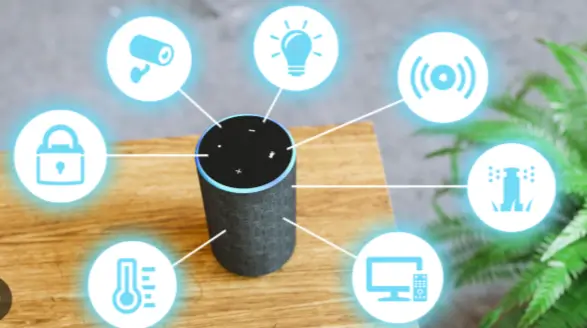
Smart speakers translate spoken words into actions through a layered pipeline. They capture audio with a microphone, process it locally when possible, and send data securely to cloud services as needed. Speech recognition identifies intent, while language models map phrases to commands and anticipate user needs. The system returns tailored responses, controls devices, and updates schedules. Privacy controls and transparent data handling balance usefulness with user choice, inviting further exploration of how these components interact.
What a Smart Speaker Actually Does for You
Smart speakers function as hands-free interfaces that convert spoken commands into actions and information. They process input locally and via cloud services, delivering responses, controlling devices, and managing schedules.
Contextual setup enables rapid, personalized responses while preserving privacy at the user’s pace.
Power efficiency emerges through optimized wake-word detection and low-power standby modes, reducing energy use without sacrificing responsiveness or freedom of choice.
How Voice Assistants Make Sense of Your Voice
Voice assistants interpret spoken input through a structured sequence of processing stages that convert raw audio into actionable meaning. The process begins with voice recognition, identifying intent and words. Systematic filtering reduces noise and emphasizes commands. Language models map phrases to actions, while context and disambiguation refine results. Privacy safeguards balance usefulness with user control, limiting data sharing and retention without sacrificing accuracy.
See also: How Search Engine Crawlers Navigate Large Websites
How Your Data Moves: From Mic to Cloud to Response
Data moves from microphone input through a defined pipeline: local capture, optional on-device processing, secure transmission to cloud services, and subsequent response delivery.
The data flow traces a concise path: local analysis reduces noise, encryption protects transit, and cloud processing interprets signals before a tailored reply returns.
System design emphasizes privacy, scalability, and transparent data handling across networks and devices.
Everyday Tricks, Pitfalls, and How to Get the Most Privacy and Performance
While practical tips can make devices more private and efficient, everyday use often introduces subtle pitfalls that affect both privacy and performance.
The discussion outlines everyday tricks to optimize responsiveness without sacrificing control, highlights common pitfalls in wake words and data handling, and explains how to get privacy and performance by configuring permissions, disabling unnecessary features, and reviewing cloud connections for balanced, deliberate use.
Frequently Asked Questions
Can Multiple People Use One Smart Speaker Simultaneously?
The answer: Yes, multiple users can interact with a single smart speaker, enabling multiturn collaboration. They manage profiles and privacy settings, though shared device ethics caution careful language and respectful use to prevent interruptions and data leakage.
Do Smart Speakers Listen to Everything All the Time?
Ironically, no: smart speakers do not listen all the time; they wake on trigger. They balance cloud privacy with occasional local processing, yet breaches happen. The device claims openness, while data collection remains a structured, quantified freedom trade-off.
How Private Is My Data After I Delete It?
Private data deletion varies by service, but outcomes depend on data retention policies; deletion may not remove backups immediately. Data retention policies differ; multiple user access persists for some data. Voice privacy settings can mitigate exposure and control privacy.
Can I Customize Wake Words or Voices?
Custom wake words and speaker personalization are often supported, though options vary by device. Users may customize wake phrases and voices, enabling tailored responses while maintaining privacy controls and clear feature trade-offs within the ecosystem.
Do Smart Speakers Work Offline at All?
Yes, in limited cases some smart speakers operate offline for basic tasks. They rely on local processing, but most voice features require online connectivity for full functionality, updates, and cloud-based voice data storage and processing.
Conclusion
Smart speakers act as quiet conductors, threading a roomful of sounds into purposeful action. A spoken cue becomes a ripple: microphone, local processing, secure cloud whisper, and back to a tailored response. Data moves like light across a corridor—swift, guarded, seen only by needful hands. Intent and context align, devices wake, tasks unfold, and schedules settle. Privacy safeguards stand sentinel, balancing usefulness with restraint, shaping a rhythm where convenience and control glide in measured, transparent harmony.